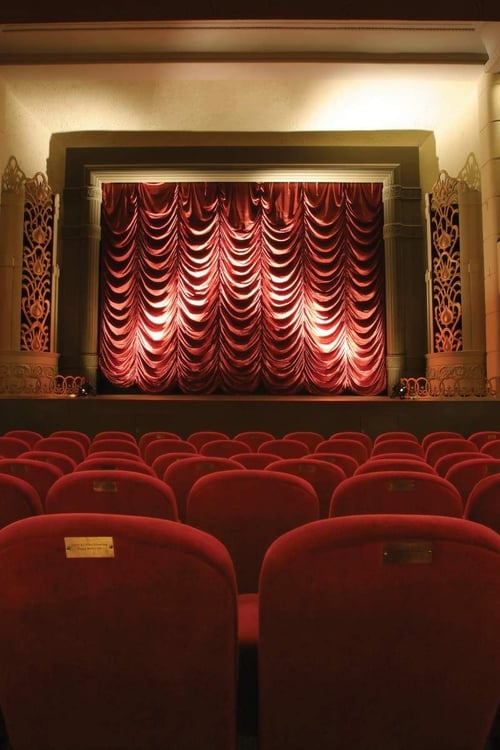
The Dream Palace: A People's History of Tyneside Cinema
In 2017 Tyneside Cinema turned 80.
Found 33 results Back to Home
In 2017 Tyneside Cinema turned 80.


John Hess traces the evolution of the screen shape from the silent film days through the widescreen explosion of the 50s, to the aspect ratio of modern digital cameras. This lesson is part of the FilmmakerIQ course: "Eve
A satirical video for the History of Cinema course at A.U.Th.
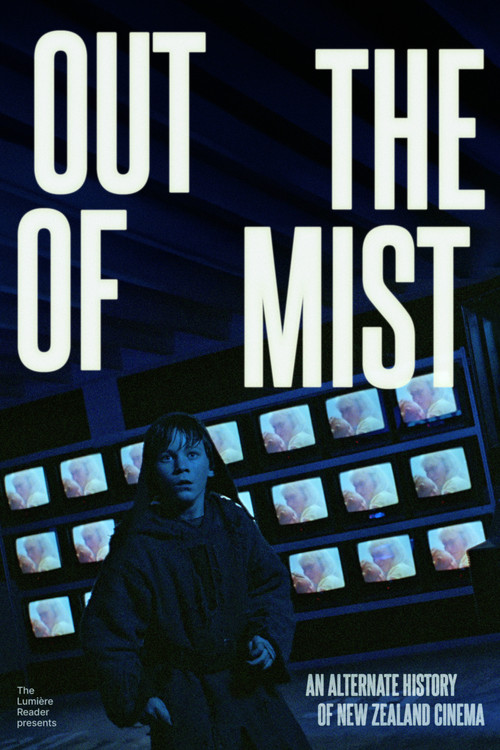
Two decades on from Sam Neill’s Cinema of Unease, Tim Wong’s essay film contemplates the prevailing image of a national cinema while privileging some of the images and image-makers displaced by the popular view of filmma


Based on a research process on the Entity of Film Rating, The Bleeding Screen: Brief History Of Argentinian Cinema Censorship explores Miguel Paulino Tato’s interventions in cinema and audiovisual media during his time a

French Animation has become the 3rd largest animation industry in the world. Inventors of a worldwide recognised technique, French artists have managed to stand out thanks to their perseverance and creativity.
Explores how representations of transgender characters on screen often lack positive approaches.
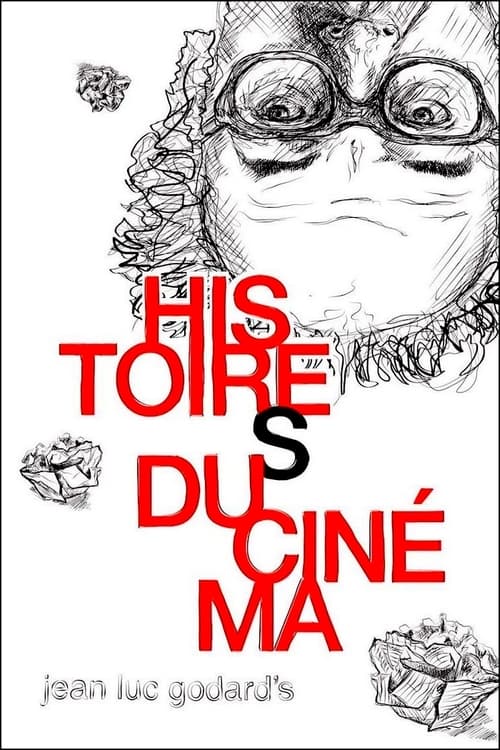
A very personal look at the history of cinema directed, written and edited by Jean-Luc Godard in his Swiss residence in Rolle for ten years (1988-98); a monumental collage, constructed from film fragments, texts and quot

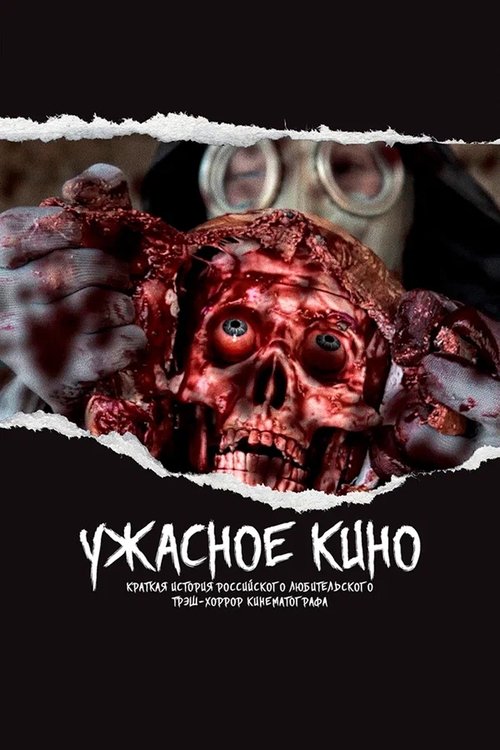
They have no experience, no resources, no knowledge, but when has this stopped sincere enthusiasts? A portrait of Russian pioneers of low-budget thrash horror — a genre that rarely comes into the focus of the general pub

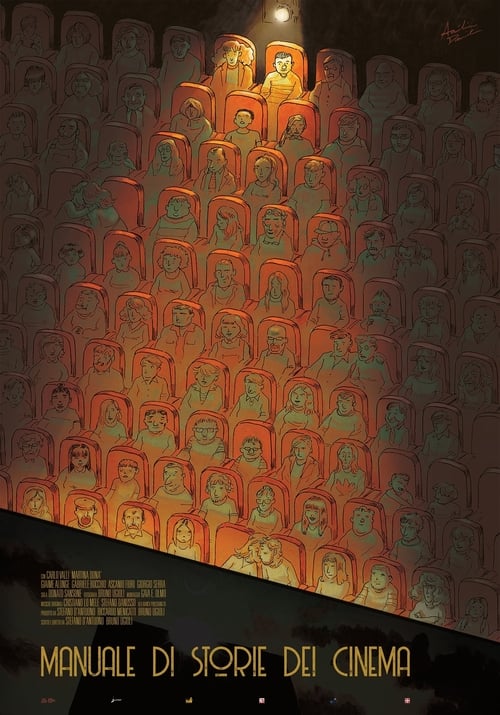
Handbook of Movie Theaters' History is a documentary about the history, the development in the present days and the future of movie theaters in the city of Turin, Italy. It mixes the documentary language with comedy and

Handbook of Movie Theaters’ History is a documentary about the history, the development in the present days and the future of movie theaters in the city of Turin, Italy. It mixes the documentary language with comedy and
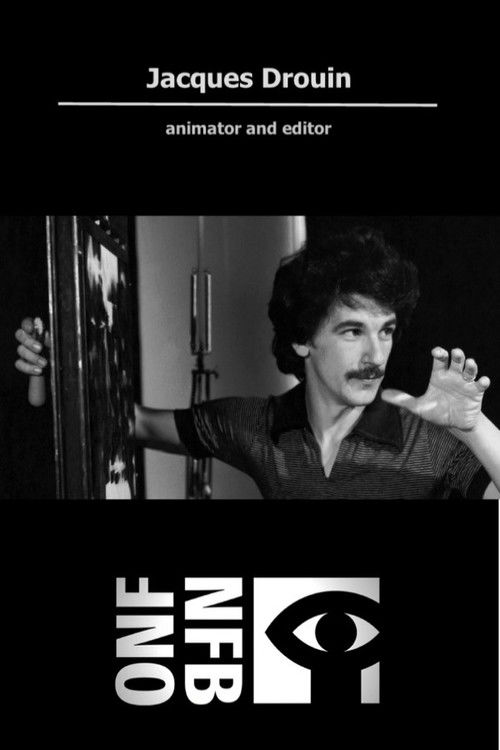
Jacques Drouin's artistic trajectory is closely tied to the Alexeïeff-Parker pinscreen. No other filmmaker has employed the device with such dedication since Alexeïeff himself, who created the design in 1931. Consisting