
Samsara: Death and Rebirth in Cambodia
Made as a relief worker's master's thesis, this documentary chronicles the difficulties of rebuilding a community in post-Pol Pot Cambodia
Found 78 results Back to Home
Made as a relief worker's master's thesis, this documentary chronicles the difficulties of rebuilding a community in post-Pol Pot Cambodia

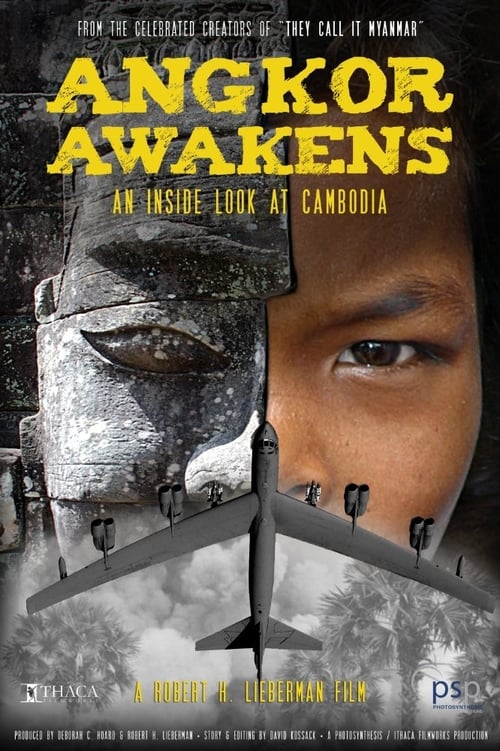
A moving psychological portrait of Cambodia decades after a devastating genocide, examining how baksbat (Khmer for "broken courage") continues to impact modern Cambodia.
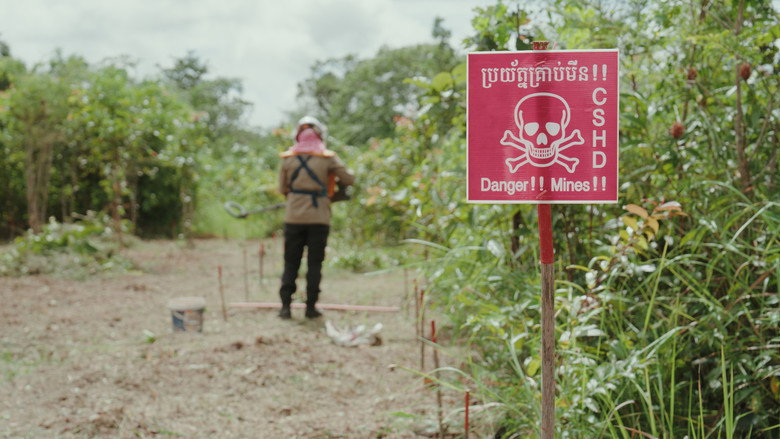
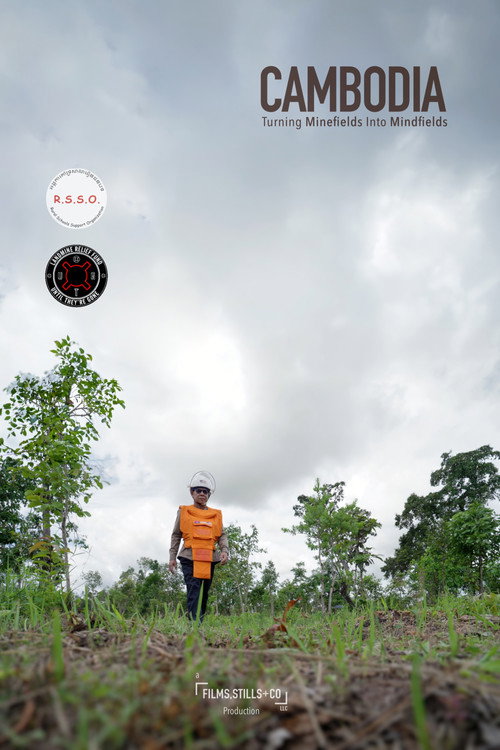
Bill and Jill Morse moved to Cambodia twenty years ago to help with landmine removal and never looked back. Along the way, many surprises happened. Today, their impact goes beyond anything they would have imagined.
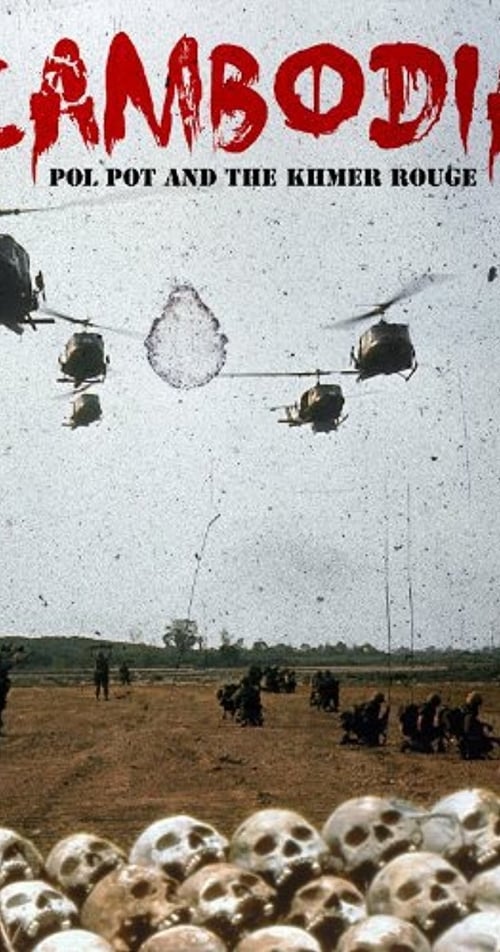
Between April, 1975 and January, 1979, Pol Pot and the Khmer Rouge were responsible for the deaths of 1.7 million people in Cambodia. A quarter of the population were wiped out in one of the most brutal and virulent geno
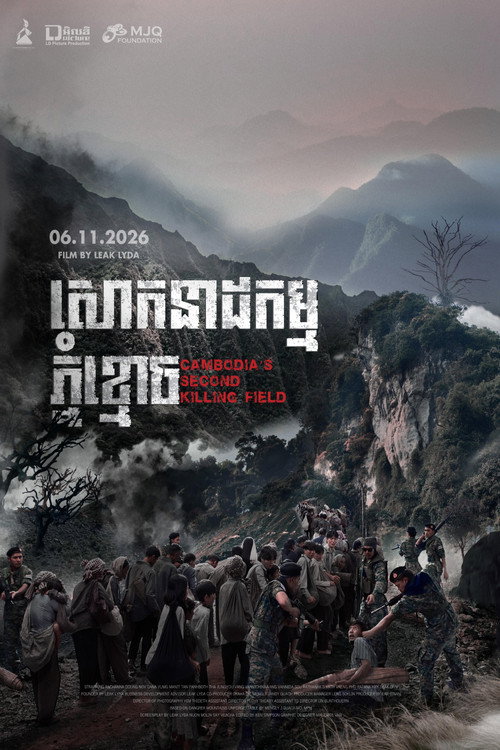
During the war between the Khmer Rouge forces and the Kampuchean United Front for National Salvation in 1979, Channdy and his family flee Cambodia along with another thousands of Cambodian people, hoping to find safety i


Asian Americans are the best-educated and highest-income ethnic group in the United States. They are often referred to as the “model minority,” suggesting that all Asians are successful in school and in life. But Southea
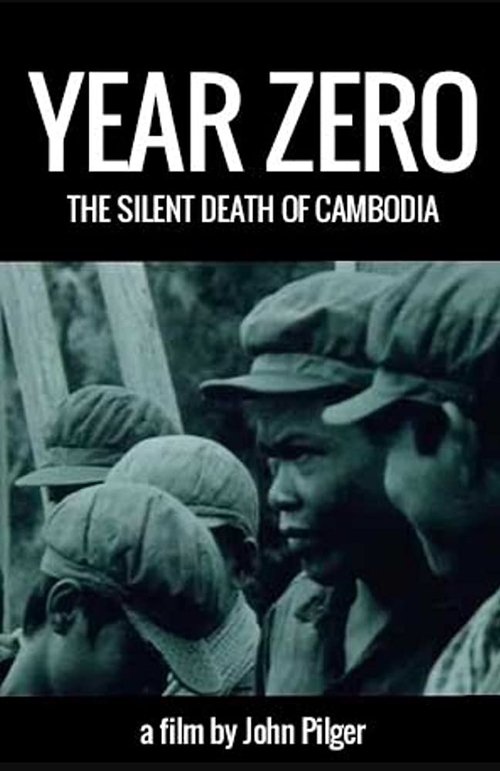
John Pilger vividly reveals the brutality and murderous political ambitions of the Pol Pot/Khmer Rouge totalitarian regime which bought genocide and despair to the people of Cambodia while neighboring countries, includin
Chomsky on the media treatment of the Indonesian invasion of East Timor and Pol Pot's atrocities in Cambodia

Two very different people, two very different lives. A friendship and trust that blossoms underneath the same sky in Cambodia.
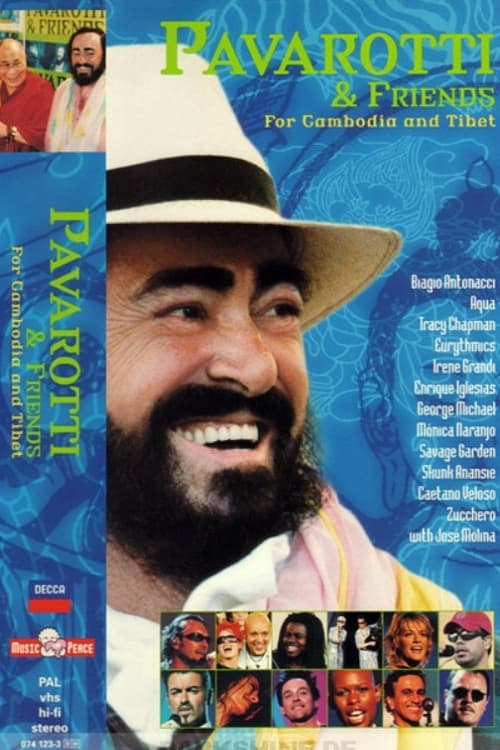
The Pavarotti & Friends for Cambodia and Tibet concert took place on June 6, 2000, in support of a number of charities to benefit children in Cambodia and Tibet. The concert featured guest performers including George Mic


A young Japanese man named Kota Tanaka (Osamu Mukai) works to raise money and then build an elementary school in Cambodia.
This is the original version of the much heralded "Raising The Bamboo Curtain" narrated and produced by legendary travel filmmaker Rick Ray. (Rick later sold partial rights to this program to another producer who hired M
In Rights Not Rescue, the film’s subjects question Cambodia’s focus on training ‘Rescued’ female sex workers to sew in low wage garment factories. They want governments, NGOs, labour unions, and donors to seriously addre


On April 17, 1975, the face of Cambodia would forever be changed. As Khmer Rouge soldiers marched into the capital city of Phnom Penh, the unsuspecting people of Cambodia had little idea they would be forced into a livin
The struggles of the street and garbage dump children of Cambodia are examined through the personal stories of five children and their journey toward education.

Pioneer missionary Samuel Zwemer wrote, "The kingdoms and governments of this world have frontiers that must not be crossed." Then he added, "The Gospel of Jesus Christ knows no frontier. It never has been kept within bo

A compilation of color-tinted footage from various parts of the world. Sweden, Cambodia, and possibly other locations.
The three biggest religions in Cambodia which are Buddhism, Islam and christianity, have been coexisting in harmony and playing a major role in promoting the value of women in Cambodia. This phenomenon can be a good less

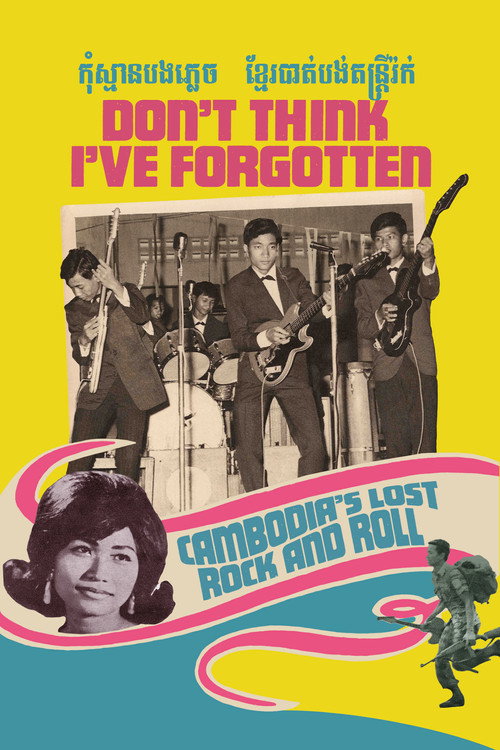
Through the eyes, words and songs of its popular music stars of the 50s, 60s, and 70s, Don't Think I've Forgotten: Cambodia's Lost Rock and Roll examines and unravels Cambodia's tragic past, culminating in the genocidal