

The Taxi, The Cinema and Me
In the first half of the 1990s, Drissa Touré was an auteur fast on the rise, with his first fiction feature, Laada (1991), celebrating its world premiere in a Cannes sidebar, from whence it went around the world, Rotterd
Found 2,555 results Back to Home
In the first half of the 1990s, Drissa Touré was an auteur fast on the rise, with his first fiction feature, Laada (1991), celebrating its world premiere in a Cannes sidebar, from whence it went around the world, Rotterd

To chase her dream of becoming a singer, Lyric earns her place in the prestigious PNCM and joins the underdog show choir Werpa with her friend, Beat. Soon, a member of Werpa's rival team asks to become part of the group,
On the development of domestic cinema during the first two decades of Soviet rule.


Max, a skeptical film-loving Cinema employee is warned by colleagues to watch out for an entity wandering the building. Max doesn't believe this at first, but is soon forced to come to his senses and face his newfound fe

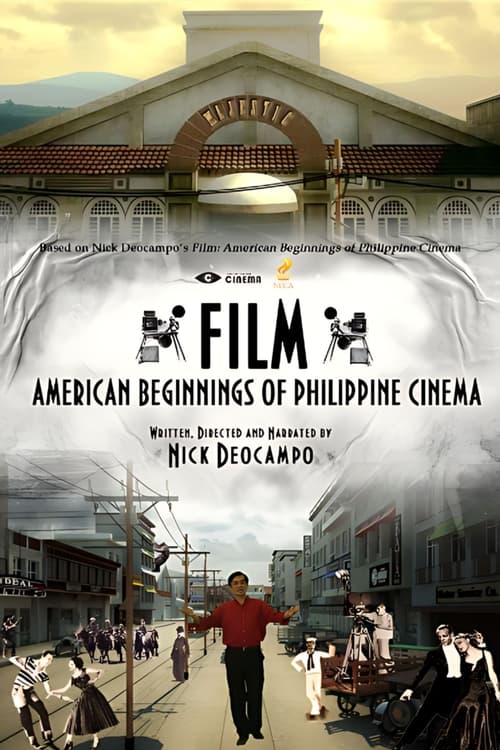
Film: American Beginnings of Philippine Cinema is the second episode in Deocampo's evolving saga of the country's history of Philippine cinema. Based on his recent book, Film: American Influences on Philippine Cinema, th

The retrospective of the portrayal of professional boxing in the movies. Like professional boxing, this experimental documentary features 12 part-rounds exploring the history of boxing in cinematography from silent films



Based on the short story from the best-selling collection "Poppoya" by Jiro Asada, "The Invitation from Cinema Orion" tells the story of a couple's undying love for the cinema and each other.
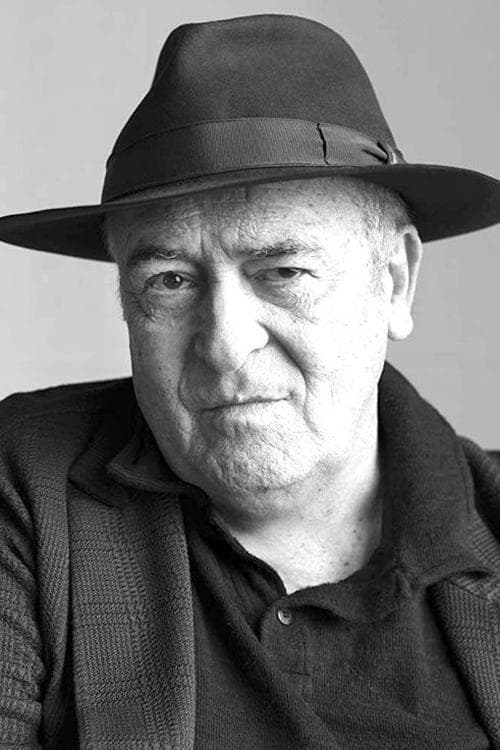
It is a chronological compilation of film clips, awards ceremonies and brief period interviews gathered by journalist Sandro Lai.
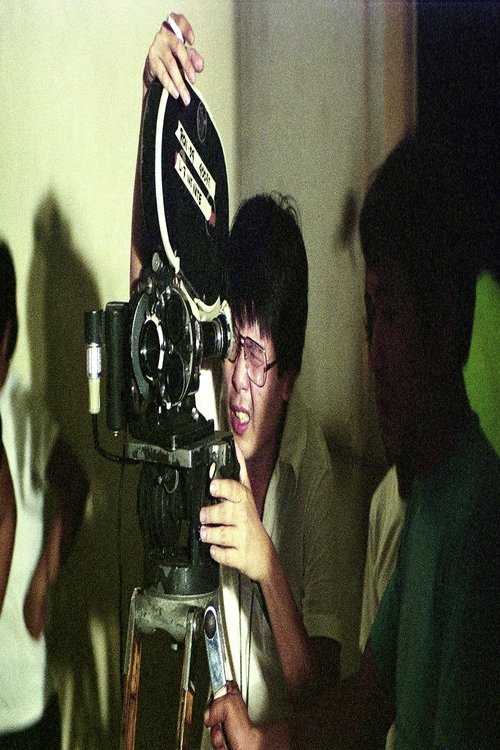
Doy del Muno’s documentary about the making of Mike De Leon’s Itim also features the only scenes to survive from De Leon’s now-lost debut film, the 16mm short Monologo (Monologue) (1975). De Leon recalls, “Itim was filme


Tinto Brass gives the stories behind his films.

Exposing truths as unsung flags, "Um Cinema Caligráfico" tries to point a direction for culture, pointing at a hidden, alternative, experimental side everyone has.


The story of the first century of Japanese cinema from the point of view of the controversial Japanese filmmaker Nagisa Ōshima.
A very personal look at the history of cinema directed, written and edited by Jean-Luc Godard in his Swiss residence in Rolle for ten years (1988-98); a monumental collage, constructed from film fragments, texts and quot


After directing Kami eiga (Paper Movie in 1972, which used paper film), I ended up with a dead track with Kanko eiga (Sightseeing Movie of 1973). Ideas no longer arose. I realized that I needed a fresh start to make film
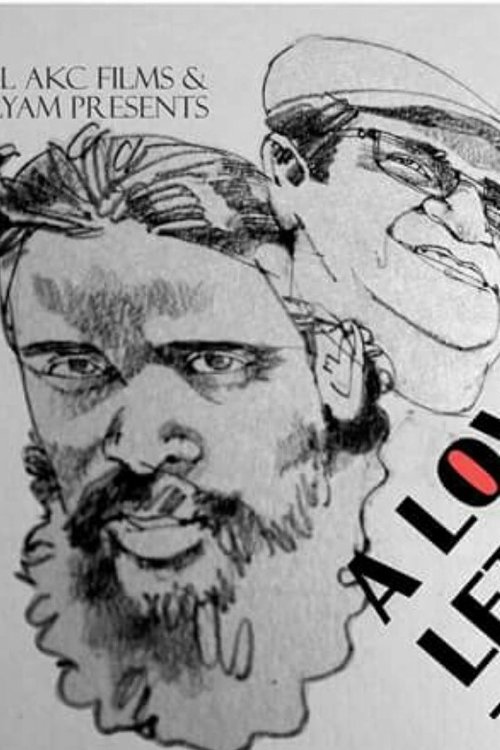
An independent film from Hyderabad inspired by Iranian master Jafar Panahi's Taxi Tehran.