
Found 2,554 results Back to Home


In 1958, de Gaulle made the President a figure who represented both the heritage of the monarchy and that of the French Revolution. In other words, he's the ideal candidate for a leading or supporting role in cinema. Yet


In 1995, Mathieu Kassovitz's "La Haine" defined the "banlieue film" genre, with its aesthetic rooted in housing projects and its portrayal of life in marginalized suburbs. This documentary explores the evolution of this
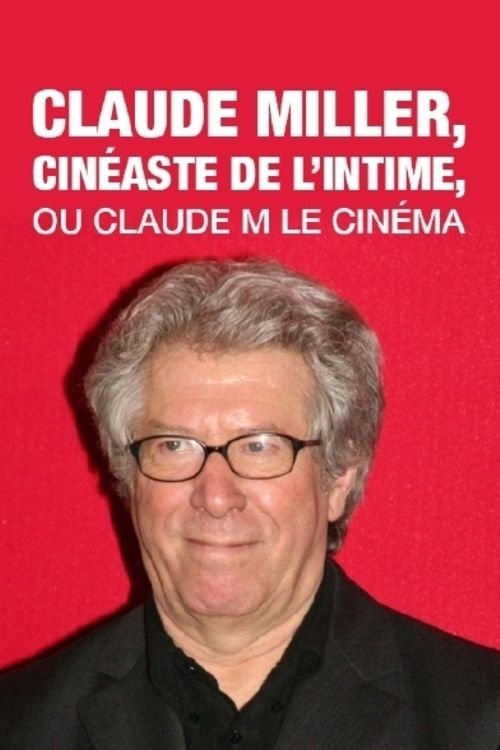
Since childhood, Claude Miller was mad about movies. From a cinephile he became a filmmaker, a craftsman of "mainstream auteur cinema " believing in the sensitivity and imagination of the viewer. Suggesting the most, whi

In Mark Cousins’ meditative documentary, Lynda Myles, an influential connoisseur of cinema, reflects on her adventures in the film culture she helped establish. From 1973 to 1980, as the first female director of any fest
"The cinema of solidarity" is one of the propositions that compose the Some Strings program. Some strings is rooted in that which stains the screens of history: in Palestine, where poet and teacher Refaat Alareer, like


A questioning on Turkish (Cinema) history from 1856 to present, based on the mysterious and missing film “The Fall of the Russian Monument in Ayastefanos” which was allegedly shot on 14 November 1914, the so-called birth
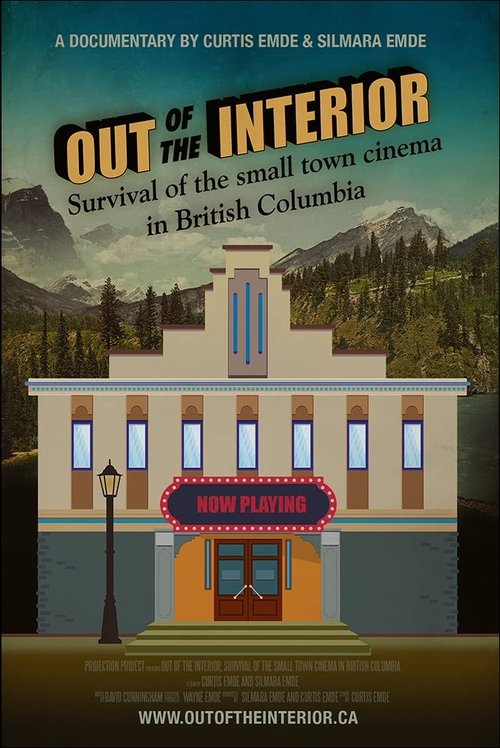
The hard-working cinema owners and operators of the small towns found in BC's southern interior are doing more than showing movies and selling popcorn––they are bringing their communities together.


The original television version of 'Where Does Your Hidden Smile Lie?'

The democratization of cinema: A cinema that falls apart as a popular art to become an elitist glamor. Cinema for whom?

Seven years after a series of memorable and sold-out live performances ("Michel Polnareff: Ze (re)tour 2007 (2007)") in his native country, French singer/songwriter/composer and US resident Michel Polnareff accepts for t

Black and white.

Éric Rohmer, a filmmaker of the “New Wave” (of violence).
A conversation with critics Daniela Turco and Bruno Roberti.

At the end of the nineteen twenties, two future film-makers discover their medium. Charles Dekeukeleire and Henri Storck will become famous documentary film-makers, but their debuts consist of experiments and the search
Jean-Louis Comolli and Jean Narboni, former editors at Cahiers du Cinema, interview their former colleagues and fellow travellers during the "Red Years" of the journal between 1968 and1973.